


 Invest ideas
News
27 May 2026, 10:00
Polymarket, Kalshi Hit New Roadblock In Spain: Regulator Opens Probe Over Law Breaches

Polymarket and Kalshi have been hit with mounting regulatory scrutiny, and Spain is now the latest jurisdiction to step in. After challenges ranging from security concerns to government investigations, Spanish regulators have begun a formal process against both prediction market operators and ordered their sites blocked nationwide. Sanctions Against Polymarket And Kalshi Spain’s Directorate General for the Regulation of Gambling launched a sanctioning process targeting Polymarket and Kalshi. Along with opening the procedure, the authority ordered the nationwide blocking of both platforms’ websites across Spanish territory as a precautionary step, pending the outcome of the case. Spain’s regulator framed the action around allegations that the companies are operating without the proper authorization. In an official release connected to the matter, the agency said it initiated the sanctioning procedure over what it described as breaches of gambling rules. The accusation centers on the claim that Polymarket and Kalshi are present in Spain without the mandatory administrative license. According to the regulator, Spain—similar to other European jurisdictions—treats prediction markets as games of chance where users place wagers on uncertain future outcomes. Under that interpretation, platforms operating in Spanish territory must obtain a specific administrative license. The authority argued that operators without authorization do not provide the technical and regulatory guarantees Spain requires for gambling activities. Those safeguards include systems for identity verification, mechanisms designed to prevent access by minors, controls related to self-excluded or banned individuals, and supervisory standards intended to protect users. The regulator also indicated that the procedure against both Polymarket and Kalshi is expected to run for roughly three to four months before a final decision is issued. US Investigation, Indonesia Ban The Spanish action follows pressure on Polymarket and Kalshi elsewhere, making it an unusually tough month for the sector. Earlier developments included Polymarket dealing with an exploit and also being banned in Indonesia on Monday after increased local attention surrounding a bet related to the President’s term. Indonesia’s Ministry of Communication and Digital Affairs said the restriction was intended to protect the public, with emphasis on younger users and people participating in the digital space. In the US, Representative James Comer announced a formal investigation into the duo of prediction market platforms. In that inquiry, Comer requested that the CEOs of both companies explain how their platforms detect and prevent insider trading. The probe was reportedly prompted by a series of suspicious trades linked to classified US military operations and geopolitical events. With Spain now moving to sanction and block access, the regulatory list continues to expand. Featured image created with OpenArt; chart from TradingView.com
27 May 2026, 09:50
Dow Jones Futures Rise as Markets Eye Potential US-Iran Nuclear Deal

BitcoinWorld Dow Jones Futures Rise as Markets Eye Potential US-Iran Nuclear Deal Dow Jones futures edged higher in early trading Monday as investors weighed the possibility of a diplomatic breakthrough between the United States and Iran. Market sentiment has been cautiously optimistic following reports that negotiations over Iran’s nuclear program are progressing, potentially leading to a formal agreement that could reshape energy markets and reduce geopolitical risk premiums. What’s Driving the Optimism The recent uptick in futures reflects growing expectations that the US and Iran may be nearing a framework for a new nuclear accord. While details remain scarce, diplomatic sources have indicated that both sides are showing flexibility on key sticking points, including uranium enrichment levels and sanctions relief. For traders, the primary focus is on the potential for a deal to unlock Iranian oil exports, which have been constrained by US sanctions since 2018. Market Implications of a US-Iran Agreement A successful deal could have far-reaching consequences for global markets. The most immediate impact would likely be on crude oil prices, which have been elevated partly due to supply constraints and geopolitical uncertainty. Iran holds some of the world’s largest oil and gas reserves, and its return to formal export markets could add significant supply, potentially lowering prices at the pump and easing inflationary pressures. Broader Economic Effects Lower oil prices would be a welcome development for central banks fighting inflation, particularly the Federal Reserve. Reduced energy costs could slow the pace of interest rate hikes, supporting equity valuations. Additionally, a US-Iran deal would remove a major source of Middle East tension, which has historically weighed on investor sentiment. Sectors such as airlines, transportation, and consumer goods stand to benefit from cheaper fuel, while energy stocks could face headwinds. Risks and Uncertainty Remain Despite the positive market reaction, significant hurdles remain. Past negotiations have collapsed over disagreements on verification mechanisms, the scope of sanctions relief, and Iran’s ballistic missile program. Any deal would also face scrutiny from the US Congress and regional allies like Israel and Saudi Arabia. Traders should remain cautious, as the situation is fluid and headlines could shift rapidly. Conclusion The rise in Dow Jones futures reflects a market pricing in a lower-risk geopolitical environment and potential economic benefits from a US-Iran nuclear deal. While the outlook is promising, the path to an agreement is uncertain, and investors should watch for concrete developments. A confirmed deal would likely be a positive catalyst for risk assets, but failure to reach an accord could reverse the recent gains. FAQs Q1: Why are Dow Jones futures rising on US-Iran news? Investors are optimistic that a nuclear deal could reduce geopolitical tensions and lead to increased Iranian oil exports, lowering energy costs and supporting economic growth. Q2: How would a US-Iran deal affect oil prices? If sanctions are lifted, Iran could add 1-1.5 million barrels per day to global supply, which would likely push crude oil prices lower, benefiting consumers and import-dependent economies. Q3: What are the main obstacles to a deal? Key sticking points include the extent of sanctions relief, verification of Iran’s nuclear activities, and the inclusion of Iran’s missile program and regional influence in the negotiations. This post Dow Jones Futures Rise as Markets Eye Potential US-Iran Nuclear Deal first appeared on BitcoinWorld .
27 May 2026, 09:45
Sharplink and Forward Enter Russell Indexes With $2.3B in Crypto Holdings
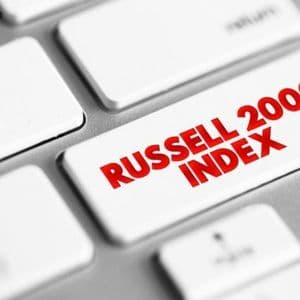
Sharplink and Forward Industries are set to enter the Russell 2000 and Russell 3000 indexes on June 29. The additions could raise institutional visibility for two public companies built around large ethereum and solana treasury strategies. Crypto Treasury Firms Go Mainstream With Russell Index Inclusion Sharplink Gaming is set to join the Russell 2000 and
27 May 2026, 09:45
Gold Prices Poised for Year-End Rally on De-escalation Hopes: Commerzbank
BitcoinWorld Gold Prices Poised for Year-End Rally on De-escalation Hopes: Commerzbank Commerzbank analysts have issued a fresh outlook on gold, suggesting that the precious metal could see a price lift into the end of the year, driven primarily by expectations of geopolitical de-escalation. The assessment, published this week, points to a shift in market sentiment that may benefit safe-haven assets as global tensions show signs of cooling. De-escalation as a Catalyst for Gold The bank’s commodity research team argues that while gold has traditionally rallied during periods of heightened geopolitical risk, the next leg higher may come from the opposite dynamic: a reduction in conflict. The reasoning is that de-escalation could weaken the US dollar and reduce the appeal of short-term避险 trades, pushing investors back toward hard assets like gold as a longer-term store of value. Commerzbank’s forecast aligns with a broader market view that the Federal Reserve’s rate cycle is nearing its peak. Lower interest rates historically reduce the opportunity cost of holding non-yielding assets like gold, making the metal more attractive to institutional and retail investors alike. Market Context and Key Drivers Gold prices have traded in a relatively tight range over the past quarter, oscillating between support near $1,900 and resistance around $2,000 per ounce. The metal has been caught between competing forces: a strong US dollar and elevated bond yields on one side, and persistent central bank buying and inflation hedging demand on the other. Commerzbank’s analysis suggests that the balance is tipping. If geopolitical tensions continue to ease, the dollar could weaken, providing a direct tailwind for gold. Additionally, the bank notes that physical demand from central banks, particularly in emerging markets, remains robust and is unlikely to slow in the near term. What This Means for Investors For market participants, the Commerzbank outlook reinforces the case for maintaining or increasing gold exposure in diversified portfolios. The potential for a year-end rally is not without risks, however. Any unexpected escalation in global conflicts or a hawkish surprise from the Fed could reverse the current trajectory. The report emphasizes that the path for gold is not linear, but the underlying fundamentals — including central bank purchases, de-dollarization trends, and fiscal uncertainty — provide a solid floor for prices. Conclusion Commerzbank’s latest gold forecast adds to a growing chorus of analysts who see the metal benefiting from a calmer geopolitical landscape and a peak in global interest rates. While the timing of any rally remains uncertain, the directional bias appears tilted to the upside for the remainder of the year. Investors should watch for further signals from central banks and geopolitical developments as key catalysts. FAQs Q1: Why does Commerzbank believe gold prices will rise on de-escalation? A: The bank argues that reduced geopolitical tensions could weaken the US dollar and lower safe-haven demand for cash, making gold more attractive as a long-term store of value. Lower interest rates also reduce the opportunity cost of holding gold. Q2: What are the main risks to this gold price forecast? A: Key risks include a sudden escalation in global conflicts, a hawkish shift by the Federal Reserve, or a sustained rally in the US dollar. Any of these could pressure gold prices lower. Q3: Is this a short-term or long-term outlook for gold? A: The Commerzbank report focuses on the near-term outlook through the end of the year, but the underlying factors — central bank buying and de-dollarization — support a longer-term bullish case for gold as well. This post Gold Prices Poised for Year-End Rally on De-escalation Hopes: Commerzbank first appeared on BitcoinWorld .
27 May 2026, 09:35
Indian Rupee Edges Up as Iran Deal and Hormuz Uncertainty Lingers
BitcoinWorld Indian Rupee Edges Up as Iran Deal and Hormuz Uncertainty Lingers The Indian rupee edged higher against the US dollar in early trading on Tuesday, supported by mild gains in domestic equities and a softer greenback overseas. However, the currency’s upward momentum remained capped by persistent geopolitical uncertainty surrounding the Iran nuclear deal and ongoing tensions in the Strait of Hormuz. Geopolitical Factors Weigh on Sentiment Market participants remain cautious as negotiations over the Joint Comprehensive Plan of Action (JCPOA), commonly known as the Iran nuclear deal, continue without a clear resolution. The uncertainty has kept crude oil prices volatile, directly impacting India’s import bill and currency stability. India imports roughly 85% of its crude oil requirements, making the rupee particularly sensitive to oil price swings. In addition to the Iran deal impasse, the security situation in the Strait of Hormuz—a critical chokepoint for global oil shipments—remains tense. Any disruption in the strait could send oil prices sharply higher, widening India’s trade deficit and putting additional depreciation pressure on the rupee. Market Response and Trader Positioning Forex traders reported that the rupee opened at 83.45 per dollar, compared to the previous close of 83.52, reflecting mild gains. However, volumes were moderate as many participants adopted a wait-and-watch approach. The Reserve Bank of India (RBI) is believed to have intervened intermittently to prevent excessive volatility, though no official confirmation has been provided. Analysts noted that the rupee’s trajectory will largely depend on the direction of crude oil prices and any concrete developments regarding the Iran deal. A successful agreement could lead to increased Iranian oil exports, potentially lowering global crude prices and supporting the rupee. Conversely, a breakdown in talks or an escalation in Hormuz tensions could trigger renewed selling pressure. Impact on Importers and Consumers For Indian importers, especially those in the oil and gas sector, the current environment means higher hedging costs and uncertain input prices. Consumers may face higher fuel prices if crude remains elevated, adding to inflationary pressures. The RBI’s monetary policy stance will also be closely watched, as any rate adjustments could influence capital flows and the rupee’s valuation. Conclusion The Indian rupee’s modest gains reflect cautious optimism, but the broader outlook remains tied to geopolitical developments in the Middle East. Traders and policymakers alike are monitoring the Iran deal and Hormuz situation closely, as any significant shift could have immediate and lasting effects on India’s currency and economy. FAQs Q1: Why is the Indian rupee sensitive to the Iran deal? The Iran deal affects global crude oil supply. A successful agreement could increase Iranian oil exports, lowering prices and reducing India’s import bill, which supports the rupee. Uncertainty or failure keeps oil prices volatile and pressures the currency. Q2: How does the Strait of Hormuz affect the rupee? The Strait of Hormuz is a critical passage for oil tankers. Any disruption or tension there threatens oil supply, driving up prices. Since India imports most of its oil, higher crude costs widen the trade deficit and weaken the rupee. Q3: What can the RBI do to stabilize the rupee? The RBI can intervene in the forex market by selling dollars to support the rupee, adjust interest rates to attract foreign capital, or impose measures to curb speculative trading. It has a range of tools to manage excessive volatility. This post Indian Rupee Edges Up as Iran Deal and Hormuz Uncertainty Lingers first appeared on BitcoinWorld .
27 May 2026, 09:15
New Zealand Dollar Holds Ground After Hawkish RBNZ, But Iran Risks Limit Gains
BitcoinWorld New Zealand Dollar Holds Ground After Hawkish RBNZ, But Iran Risks Limit Gains The New Zealand Dollar (NZD) maintained its upward momentum on Thursday, supported by the Reserve Bank of New Zealand’s (RBNZ) unexpectedly hawkish policy stance earlier this week. However, the currency’s advance remained capped as escalating geopolitical risks surrounding Iran weighed on broader risk appetite and commodity-linked currencies. RBNZ’s Hawkish Surprise Boosts NZD The RBNZ held its official cash rate (OCR) steady at 5.50% on Wednesday, as widely expected, but surprised markets with a more hawkish tone in its accompanying statement. The central bank flagged persistent domestic inflation pressures and signaled that rates may need to remain restrictive for longer than previously anticipated. This pushed the NZD higher against major peers, particularly the US Dollar, which has been under pressure from growing expectations of Federal Reserve rate cuts later this year. Traders interpreted the RBNZ’s language as a clear signal that any easing cycle remains distant, contrasting with the dovish pivot seen from other central banks like the European Central Bank and the Bank of Canada. The NZD/USD pair rose to a two-week high above 0.6100 before consolidating. Iran Tensions Cap Risk-On Sentiment Despite the domestic tailwind, the NZD’s upside was limited by renewed geopolitical tensions in the Middle East. Reports of heightened military activity near the Strait of Hormuz and diplomatic breakdowns between Iran and Western powers over nuclear negotiations have rekindled fears of supply disruptions in the energy market. Crude oil prices climbed more than 2% on the news, injecting caution into currency markets. As a commodity-linked currency heavily influenced by global trade flows and risk sentiment, the NZD is particularly sensitive to such developments. Investors trimmed exposure to riskier assets, including the Kiwi, in favor of traditional safe havens like the US Dollar, Japanese Yen, and gold. Market Implications and Outlook The tug-of-war between domestic monetary policy support and external geopolitical headwinds is likely to keep NZD/USD range-bound in the near term. Analysts at several major banks note that while the RBNZ’s hawkish stance provides a floor under the currency, a sustained breakout above resistance levels will require a de-escalation in Iran-related risks. Key levels to watch include support at 0.6050 and resistance at 0.6150. On the data front, New Zealand’s trade balance figures due next week will offer further clues on the economy’s health. Meanwhile, any diplomatic progress or escalation in the Iran situation could trigger the next significant move in the pair. Conclusion The New Zealand Dollar finds itself in a delicate balance, buoyed by a hawkish central bank but constrained by global geopolitical uncertainty. For traders and investors, the immediate focus remains on the interplay between RBNZ policy signals and developments in the Middle East. The currency’s trajectory will likely depend on which factor gains the upper hand in the coming sessions. FAQs Q1: Why did the New Zealand Dollar rise after the RBNZ meeting? The RBNZ held rates steady but adopted a more hawkish tone, indicating that interest rates may need to stay high for longer to combat inflation. This surprised markets and boosted demand for the NZD. Q2: How do Iran tensions affect the New Zealand Dollar? Geopolitical risks, especially in oil-producing regions, tend to reduce investor appetite for riskier assets like commodity-linked currencies (NZD, AUD). This can cap gains or push the NZD lower despite positive domestic factors. Q3: What is the outlook for NZD/USD? The pair is expected to trade in a range between 0.6050 and 0.6150 in the near term. A clear break above resistance would require reduced geopolitical risks, while a break below support could occur if global risk aversion intensifies. This post New Zealand Dollar Holds Ground After Hawkish RBNZ, But Iran Risks Limit Gains first appeared on BitcoinWorld .


