


 Invest ideas
News
26 May 2026, 23:25
Aussie Dollar’s Romp Over the Kiwi Meets a 13-Year Ceiling: What It Means

BitcoinWorld Aussie Dollar’s Romp Over the Kiwi Meets a 13-Year Ceiling: What It Means The Australian dollar’s prolonged rally against its New Zealand counterpart has reached a significant milestone, touching levels not seen in over 13 years. This move, driven by diverging central bank policies and commodity price dynamics, has pushed the AUD/NZD pair to a technical ceiling that market participants are watching closely. A Decade-Long Trend Intensifies The AUD/NZD cross rate has been on a steady upward trajectory for much of the past year, fueled by the Reserve Bank of Australia’s (RBA) relatively hawkish stance compared to the Reserve Bank of New Zealand (RBNZ). While the RBNZ has already begun cutting its official cash rate in response to a slowing domestic economy, the RBA has held firm, keeping rates at 4.35% amid persistent inflation pressures. This policy divergence has made the Australian dollar more attractive to yield-seeking investors, widening the interest rate differential in favor of the Aussie. The pair recently breached the 1.10 level, a zone that had previously acted as strong resistance. Analysts note that this area, last visited in 2011, now represents both a psychological barrier and a potential turning point. The 13-year ceiling is not just a number; it reflects a structural shift in the relative economic fortunes of the two trans-Tasman neighbors. Commodities and China Factor Beyond central bank policy, commodity prices have played a pivotal role. Australia’s export basket, heavily weighted toward iron ore, LNG, and coal, has benefited from sustained demand from China, despite the latter’s uneven economic recovery. In contrast, New Zealand’s export mix—dominated by dairy products, meat, and wool—has faced softer global prices and weaker demand from key markets. The Chinese economic stimulus measures announced in late 2024 have provided an additional tailwind for the Aussie, as Australia is more directly leveraged to Chinese industrial activity. Meanwhile, New Zealand’s economy has grappled with a technical recession and a struggling housing market, further undermining the Kiwi’s appeal. Implications for Traders and Businesses For forex traders, the 13-year ceiling presents a critical test. A sustained break above this level could open the door for further gains, targeting the 1.12 area. However, the risk of a sharp reversal is equally high, given that the pair is now technically overbought on several short-term indicators. For businesses engaged in trans-Tasman trade, the current exchange rate has significant implications. Australian exporters to New Zealand are finding their goods more expensive in Kiwi dollar terms, potentially squeezing margins. Conversely, New Zealand importers of Australian goods are facing higher costs. Tourism flows may also be affected, with the strong Aussie making travel to New Zealand more affordable for Australians, while New Zealanders may find Australia a more expensive destination. What Could Break the Ceiling? Several catalysts could determine whether the AUD/NZD pair breaks decisively above the 1.10 resistance or retreats. A surprise rate cut by the RBA would likely weaken the Aussie, while further easing by the RBNZ could reinforce the current trend. Additionally, a sharp downturn in Chinese commodity demand or a deterioration in global risk appetite could trigger a flight to safety, benefiting the Kiwi as a proxy for risk sentiment. The RBA’s next monetary policy meeting, scheduled for early next month, will be closely watched. Any shift in language regarding inflation or employment could provide the next directional cue. Similarly, the RBNZ’s upcoming economic projections will be scrutinized for signs of further easing. Conclusion The Australian dollar’s 13-year high against the New Zealand dollar underscores a period of pronounced economic divergence between the two countries. While the ceiling represents a formidable technical barrier, the fundamental drivers—policy divergence, commodity price differentials, and relative economic performance—suggest the bias remains tilted in favor of the Aussie. However, the elevated level also introduces heightened risk of a correction. For market participants, the focus now shifts to whether the ceiling will hold or break, and what that means for the broader outlook of the trans-Tasman currency pair. FAQs Q1: Why has the Australian dollar been rising against the New Zealand dollar? The primary driver is the divergence in monetary policy between the RBA and RBNZ. The RBA has maintained higher interest rates, while the RBNZ has started cutting rates, making the Aussie more attractive. Additionally, stronger commodity prices for Australia’s exports relative to New Zealand’s have supported the currency. Q2: What is the significance of the 13-year ceiling in AUD/NZD? The 1.10 level represents a long-term resistance zone that has not been breached since 2011. It is a psychological and technical barrier that, if broken, could signal a sustained new trend. Conversely, a failure to break above it could lead to a sharp pullback. Q3: How does this affect everyday consumers in Australia and New Zealand? For Australian consumers, a strong Aussie makes imports from New Zealand cheaper, but exports more expensive. For New Zealanders, it means higher costs for Australian goods and travel to Australia. It can also influence the price of dairy products and other traded goods in both countries. This post Aussie Dollar’s Romp Over the Kiwi Meets a 13-Year Ceiling: What It Means first appeared on BitcoinWorld .
26 May 2026, 22:50
USD/JPY Faces Resistance at 159.00 as Intervention Fears Cap Gains
BitcoinWorld USD/JPY Faces Resistance at 159.00 as Intervention Fears Cap Gains The USD/JPY currency pair is testing key resistance near the 159.00 level, but further upside appears limited as market participants remain wary of potential intervention by Japanese authorities. The pair has been on an upward trajectory in recent weeks, driven by divergent monetary policy expectations between the Federal Reserve and the Bank of Japan, yet the specter of official action to stem yen weakness is creating a cautious tone among traders. Technical Hurdles at 159.00 The 159.00 mark represents a significant technical barrier for USD/JPY. This level coincides with prior intervention zones where Japanese officials have historically stepped in to support the yen. In late 2022 and again in 2023, the Ministry of Finance intervened when the pair approached or breached similar thresholds, selling U.S. dollars and buying yen to curb what they described as disorderly and speculative currency moves. Chart analysis shows the pair has been forming a series of higher lows since early this year, with momentum indicators such as the Relative Strength Index (RSI) hovering in neutral territory. A sustained break above 159.00 would open the door to the 160.00 psychological level, but traders are pricing in a high probability of intervention before that point is reached. Intervention Risk and Market Sentiment The threat of intervention is not merely speculative. Japanese officials, including Finance Minister Shunichi Suzuki and Vice Finance Minister for International Affairs Masato Kanda, have repeatedly issued verbal warnings in recent weeks, stating they are watching currency movements with a high sense of urgency and will take appropriate action against excessive volatility. These statements have historically been precursors to actual market intervention. Market participants are now factoring in a risk premium for yen positions. Options markets show elevated implied volatility around key levels, and traders report reduced appetite for pushing the pair aggressively higher without clear catalysts. The Bank of Japan’s policy stance remains accommodative compared to the Fed, but any shift in tone at upcoming meetings could alter the calculus. What This Means for Traders For forex traders, the current environment demands caution. The 159.00 area presents a high-risk, high-reward zone. Aggressive longs near this level face the prospect of sudden, sharp reversals if intervention materializes. Conversely, shorts are betting against a strong trend. The most prudent approach may be to wait for a clear breakout or a definitive intervention event before committing to directional positions. The broader implications extend beyond intraday trading. A sustained yen weakening trend affects Japanese import costs, corporate earnings, and consumer prices. For international investors, the yen’s trajectory influences returns on Japanese assets and carry trade dynamics. The intervention risk acts as a governor on the pair’s upside, but unless the BOJ signals a genuine policy pivot, the underlying pressure on the yen remains. Conclusion USD/JPY is at a pivotal juncture near 159.00, with technical resistance aligning with heightened intervention risk. While the fundamental backdrop favors further yen weakness, the threat of official action is capping gains and creating a tense standoff between market forces and policy makers. Traders should monitor Japanese official commentary and BOJ policy signals closely, as any escalation in rhetoric or actual intervention could trigger sharp, short-term moves. The path of least resistance remains upward, but the journey may be interrupted by policy-driven volatility. FAQs Q1: What is currency intervention and how does it affect USD/JPY? Currency intervention occurs when a central bank or finance ministry buys or sells its own currency to influence its exchange rate. For USD/JPY, Japanese authorities sell dollars and buy yen to strengthen the yen, typically causing a sharp drop in the pair. Intervention is usually reserved for situations of excessive or disorderly volatility. Q2: Why is 159.00 an important level for USD/JPY? The 159.00 level is significant because it is near previous intervention thresholds set by Japanese authorities. It also represents a technical resistance zone where the pair has stalled in the past. A break above this level could trigger further gains, but the risk of intervention increases as the pair approaches it. Q3: How can traders protect themselves from intervention risk? Traders can manage intervention risk by using tighter stop-losses near key levels, reducing position sizes, or avoiding trades during Asian trading hours when intervention is most likely. Monitoring real-time news and official statements from Japanese officials is also essential for anticipating potential action. This post USD/JPY Faces Resistance at 159.00 as Intervention Fears Cap Gains first appeared on BitcoinWorld .
26 May 2026, 22:30
Bitcoin Spot Volume Collapses 81% Since October 10: History Points To A Rare Setup

Bitcoin is facing renewed selling pressure as uncertainty continues dominating global financial markets, but bulls have so far managed to defend the critical $75,000 region. The asset remains trapped below key resistance levels after failing to reclaim momentum above $80,000 earlier this month, leaving traders searching for signs that the current correction is either stabilizing or preparing for another leg lower. Related Reading: HYPE Rally Accelerates Above $60 As High-Profile Whale Quietly Builds His Position While the recent weakness has raised concerns across the market, top analyst Darkfost believes one of the most important signals is not price itself — but the dramatic collapse in spot trading activity happening beneath the surface. According to data from Darkfost, Bitcoin spot trading volumes have now fallen to levels historically associated with bear markets. The analyst notes that investors must go back to July 2023 to find a period where BTC spot volumes were this low across major exchanges. Binance, which remains the dominant venue in the crypto market, currently processes around $36.4 billion in trading volume. In October 2025, that figure stood at approximately $198.6 billion. Bitcoin Spot Trading Volume | Source: CryptoQuant The collapse is severe. Binance volumes are now nearly five times lower than they were at the cycle peak, representing an 81% decline. Other exchanges show similar weakness, with Gateio volumes falling nearly 80% and Bybit recording a 66% drop in activity. Bitcoin Volume Collapse May Signal Seller Exhaustion Darkfost explains that the collapse in Bitcoin spot trading activity reflects a broader macroeconomic environment that has become increasingly hostile toward risk assets such as cryptocurrencies. Rising inflationary pressures, persistent uncertainty surrounding global monetary policy, and the US/Iran conflict lasting longer than markets initially expected have pushed investors toward safer or more traditional assets. Commodities, energy markets, and major equity indices have absorbed a large portion of capital flows that previously rotated into crypto during periods of stronger risk appetite. The result has been a sharp contraction in participation across spot crypto markets. Lower trading activity often reflects declining enthusiasm, weaker speculative demand, and reduced institutional engagement. However, Darkfost argues that the current setup may not be entirely bearish from a structural perspective. Related Reading: The Institutional Bitcoin Exit Is Real: Analyst Exposes Who’s On The Wrong Side Of The Trade Historically, prolonged declines in spot volume have frequently coincided with the later stages of corrective phases rather than the beginning of major collapses. As participation fades, aggressive selling pressure also begins to weaken because fewer market participants remain actively distributing positions into the market. The analysis points specifically to the 2023 bear market structure, where spot volumes collapsed to similarly depressed levels shortly before Bitcoin stabilized and volatility returned. That period of extreme inactivity ultimately became the foundation for the recovery phase that followed, as exhausted sellers gradually lost control of the market. Bitcoin Holds Above Key Support As Bulls Defend The $75K Region Bitcoin continues trading above the critical $75,000 support region despite persistent selling pressure and weakening market participation. The daily chart shows BTC consolidating near $76,800 after rejecting from the $82,000 resistance zone earlier this month, with price now trapped between major moving averages as traders wait for a decisive breakout or breakdown. Bitcoin consolidates above key price level | Source: BTCUSDT chart on TradingView Technically, Bitcoin remains above the 50-day moving average, which is currently acting as short-term support around the mid-$75,000 area. That level has become structurally important because it aligns closely with the broader horizontal demand zone between approximately $73,000 and $75,000 highlighted on the chart. Bulls have repeatedly defended this region throughout May, preventing sellers from regaining full control of the trend. Related Reading: FET Exchange Supply Is Quietly Disappearing – Discover Why Traders Are Watching Closely However, the broader structure still reflects caution. The 100-day and 200-day moving averages continue sloping downward overhead, reinforcing the idea that Bitcoin remains inside a larger corrective environment despite the recovery from February’s capitulation lows near $63,000. For now, Bitcoin remains in a compression phase. A decisive reclaim of the $80,000–$82,000 region would strengthen bullish momentum, while losing the $75,000 support zone could expose BTC to a deeper retrace toward the $70,000 area. Featured image from ChatGPT, chart from TradingView.com
26 May 2026, 22:30
Pound Sterling Holds Steady as BoE and Fed Maintain Parallel Rate Stance
BitcoinWorld Pound Sterling Holds Steady as BoE and Fed Maintain Parallel Rate Stance The British pound is showing signs of consolidation this week, trading in a narrow range against the US dollar as both the Bank of England and the Federal Reserve maintain their current interest rate policies. The parallel stance from the world’s two most influential central banks has left the GBP/USD pair without a clear directional catalyst, with traders awaiting fresh economic data for the next move. Central Banks in Lockstep The BoE held its benchmark rate at 5.25% in its latest meeting, while the Fed similarly paused at 5.50%. This synchronized approach has reduced the interest rate differential between the two currencies, a key driver of forex movements. Market participants had priced in a slight chance of a BoE cut, but persistent UK inflation data has kept the central bank cautious. Fed Chair Jerome Powell reiterated a data-dependent approach, signaling no immediate plans for rate cuts despite cooling US inflation. This has provided some support for the dollar, but not enough to push the pound lower. The result is a coiled market, with GBP/USD hovering around the 1.27 level for several sessions. Market Implications and Outlook For forex traders, the current environment suggests a period of low volatility that could precede a breakout. Key data points on the horizon include UK GDP figures and US non-farm payrolls. A stronger-than-expected UK economy could give the BoE reason to hold rates higher for longer, potentially strengthening the pound. Conversely, any signs of a slowdown in the UK economy could reignite speculation of a rate cut. What This Means for Businesses and Consumers For UK businesses that import goods priced in dollars, the pound’s stability offers some predictability in costs. However, the lack of movement also reflects underlying uncertainty about the economic outlook. For consumers, a stable pound means no immediate change in the cost of imported goods or travel abroad, but the longer-term direction remains tied to upcoming economic reports. Conclusion The Pound Sterling’s current consolidation reflects a market in wait-and-see mode. With both the BoE and Fed holding firm, the next major move will likely be driven by economic data rather than central bank rhetoric. Traders and businesses should watch for UK inflation and growth figures in the coming weeks, as these will determine whether the pound breaks out of its current range or continues to coil. FAQs Q1: Why is the Pound Sterling not moving much against the US dollar? The pound is consolidating because both the Bank of England and the Federal Reserve have kept interest rates unchanged, removing a key driver of currency movement. Markets are waiting for new economic data to provide direction. Q2: What could cause the pound to strengthen or weaken next? A stronger UK economy or persistent inflation could support the pound, while signs of a slowdown could weaken it. US jobs data and inflation reports will also influence the dollar side of the pair. Q3: How does this affect UK consumers and businesses? A stable pound provides short-term predictability for import costs and travel. However, the lack of movement reflects broader economic uncertainty, meaning businesses should remain cautious about long-term currency exposure. This post Pound Sterling Holds Steady as BoE and Fed Maintain Parallel Rate Stance first appeared on BitcoinWorld .
26 May 2026, 22:10
Circle Mints 250 Million USDC, Boosting Stablecoin Supply on Ethereum
BitcoinWorld Circle Mints 250 Million USDC, Boosting Stablecoin Supply on Ethereum Circle, the company behind the USD Coin (USDC), has minted an additional 250 million USDC tokens on the Ethereum blockchain. The transaction, detected by blockchain tracking service Whale Alert, adds a significant amount of liquidity to the second-largest stablecoin by market capitalization. Details of the Minting Event According to Whale Alert data, the 250 million USDC was minted at the USDC Treasury on Ethereum. This is a routine operation by Circle to manage the supply of USDC in response to market demand. The minting does not represent new capital flowing into the crypto market but rather an operational adjustment to meet exchange and institutional demand for the stablecoin. The timing of this minting is notable as it follows a period of relative stability in the stablecoin market. USDC’s circulating supply has seen fluctuations over the past year, with previous periods of both expansion and contraction. This latest minting brings the total USDC supply to approximately $34.2 billion, according to CoinGecko data. Market Implications and Context Stablecoin minting events are closely watched by traders and analysts as they can signal upcoming market activity. An increase in USDC supply often precedes periods of higher trading volume or institutional entry into the market, as large players use stablecoins as a base currency for trading or DeFi participation. However, it is important to note that this minting is not a direct indicator of a bullish or bearish market sentiment. Circle adjusts supply based on demand from its partners, which include exchanges, custodians, and DeFi protocols. The actual impact on cryptocurrency prices depends on how these newly minted tokens are deployed. USDC’s Role in the Broader Ecosystem USDC remains a cornerstone of the crypto economy, used extensively in decentralized finance (DeFi) protocols, cross-border payments, and as a stable trading pair on centralized exchanges. Its transparency and regulatory compliance, particularly its full reserve backing and regular attestations, have made it a preferred choice for institutional investors. The minting on Ethereum also highlights the network’s continued dominance for stablecoin issuance, despite the growth of alternative blockchains like Solana and Arbitrum. Ethereum remains the primary settlement layer for Circle’s operations. Conclusion The minting of 250 million USDC is a routine yet significant operational event that underscores the ongoing demand for stablecoins in the cryptocurrency market. While it does not directly signal a market move, it provides additional liquidity that could facilitate future trading and DeFi activity. Traders and investors should monitor how these tokens are utilized in the coming days for a clearer picture of market direction. FAQs Q1: What does it mean when USDC is minted? Minting USDC means Circle creates new tokens in response to demand from its partners. It is typically backed by an equivalent amount of US dollars or approved assets held in reserve. Q2: Does minting 250 million USDC affect the price of Bitcoin or other cryptocurrencies? Not directly. It increases the available supply of stablecoins, which can be used for trading. However, the price impact depends on how and where the tokens are deployed, not on the minting event itself. Q3: Is this minting event bullish or bearish for the market? It is neutral. Increased stablecoin supply can be interpreted as a sign of potential buying pressure if the tokens are used to purchase other assets, but it could also simply be for operational or DeFi purposes. It is not a reliable standalone indicator of market direction. This post Circle Mints 250 Million USDC, Boosting Stablecoin Supply on Ethereum first appeared on BitcoinWorld .
26 May 2026, 22:06
XRP Holds Key Support as Binance Sell Wave Falls Short of Breakdown
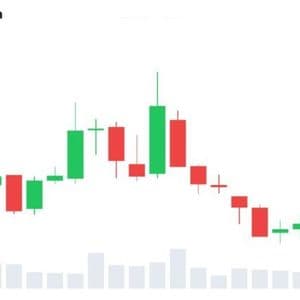
XRP faced heavy Binance selling, yet price held above its April stress zone. The move shifted attention toward liquidity conditions and whether nearby support can absorb renewed selling pressure. XRP Binance Sell Pressure Hits Two-Month Extreme At 5:38 p.m. on May 26, XRP traded at $1.33156 after extending a broader pullback that weighed on price


