


 Invest ideas
News
18 May 2026, 19:57
Bitcoin’s trend defining battle starts at the $74K support: Analyst

Bitcoin traders are closely watching the $74,000-$75,000 support zone as exchange inflows rise and market signals weaken following BTC's loss of momentum above $82,000.
18 May 2026, 19:55
Bitcoin depot files for bankruptcy, shuts down crypto ATMs
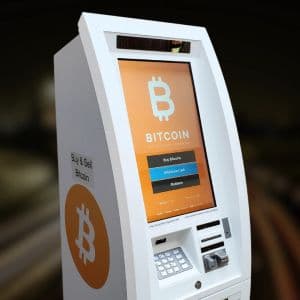
Bitcoin Depot has gone from being North America’s largest Bitcoin ATM operator to filing for bankruptcy and shutting down its entire network of ATMs, citing state regulations and unsustainable business models as reasons. The Atlanta-based crypto company, listed on Nasdaq under the ticker BTM, has filed for Chapter 11 in the U.S. Bankruptcy Court in Texas. The company also plans to sell its assets through a court-supervised process as its operations close down. Financial collapse led to Bitcoin Depot’s bankruptcy Bitcoin Depot’s Q1 2026 revenue dropped by almost 50% compared to the same Q1 one year earlier. Gross profit nosedived by a whopping 85% to $4.5 million, and the company posted a $9.5 million net loss after earning $12.2 million in revenue just a year ago. Bitcoin Depot charged retail customers fees between 8% and 20% per transaction at ATM kiosks placed in grocery stores, gas stations, and pharmacies. This fee structure made sense when buying Bitcoin on a phone felt intimidating to casual users. This has stopped being the case, as Coinbase, Cash App, and other regulated apps have joined the market, bringing transaction costs below 1%. The maintenance of over 9,000 physical ATM machines while transaction volumes continued to dwindle created a cost problem that reduced the company’s revenue even before regulators came into the picture. Unfriendly regulations added to financial pressure According to the bankruptcy filing, several states introduced transaction limits and stricter compliance requirements that increased operational pressure on the business, as mentioned by Bitcoin Depot CEO Alex Holmes. The states imposed demanding licensing requirements for operators and daily/monthly limits on transactions. Some states even banned crypto ATM operations in totality. Holmes said the cumulative impact of these measures “materially affected Bitcoin Depot’s business and financial position,” adding that the company’s existing business model had become “unsustainable” under the current regulatory landscape. In addition, Massachusetts Attorney General Andrea Campbell had sued Bitcoin Depot in February, alleging the company’s ATMs facilitated crypto scams targeting the state’s residents. Investigators found that more than half of Bitcoin Depot’s revenue from its ATM machines in Massachusetts was linked to scam-related transactions, and consumers in the state lost over $10 million through alleged scams connected to the machines. Connecticut’s Department of Banking also issued a temporary cease-and-desist order in April 2026, moving to revoke Bitcoin Depot’s license in the state. Is the crypto ATM sector collapsing? Bitcoin Depot’s rapid decline raises questions about the viability of the crypto ATM business. Reported losses from crypto ATM fraud hit a record $389 million last year, up 58% from 2024, according to previous reporting by Cryptopolitan. This surge in fraud cases directly led to the regulatory scrutiny that Bitcoin Depot and others within the crypto ATM industry now face. The company went public in 2023 when there was little retail exposure and access to cryptocurrencies. The landscape has since shifted, and there are now multiple apps, platforms, ETFs, and payment services that offer cheaper and faster ways to buy crypto without visiting a crypto ATM. Bitcoin Depot’s Canadian entities will be included in the U.S. proceedings, with separate restructuring expected in Canada. Other international subsidiaries will gradually wind down services with respect to local laws. The company operated in 47 U.S. states and offered its BDCheckout service at retail locations in 31 states before going offline. It remains unknown if this is a one-off in the crypto ATM sector, and if the demand would be absorbed by competitors, or if this is a sign of an impending total collapse of the industry. Don’t just read crypto news. Understand it. Subscribe to our newsletter. It's free .
18 May 2026, 19:52
Bitcoin Becomes a Tool for Iran’s Control Over Hormuz Shipping

18 May 2026, 19:48
Swan Bitcoin Hit With Nearly $1 Billion Lawsuit Over Prime Trust Collapse

The lawsuit alleges that the Bitcoin-centric financial services firm took advantage of insider information to escape major losses.
18 May 2026, 19:41
Here’s Why XRP Price Is Crashing Right Now

XRP is facing intense selling pressure after reports emerged that Goldman Sachs completely exited its XRP ETF holdings during the first quarter of 2026. The development, shared by federally regulated prediction market platform, Kalshi Crypto, has added another layer of uncertainty to an already weak cryptocurrency market. Investors are now reassessing institutional confidence in altcoin-related investment products as XRP struggles to maintain key support levels. The report is based on Goldman Sachs’ latest Form 13F filing with the U.S. Securities and Exchange Commission. According to the filing, the bank sold all of its XRP ETF positions, which were previously valued at approximately $154 million across major issuers, including Bitwise, Grayscale, Franklin Templeton, and 21Shares. Goldman also exited all of its Solana ETF holdings during the same quarter. The liquidation is significant because Goldman Sachs had previously emerged as one of the largest institutional holders of XRP ETF products shortly after their launch in late 2025. Its sudden withdrawal is now contributing to negative sentiment surrounding XRP at a time when the broader digital asset market is already under pressure. JUST IN Goldman Sachs sells all Solana and Ripple ETF holdings — Kalshi Crypto (@Kalshi_Crypto) May 18, 2026 Institutional Confidence in Altcoins Appears to Be Weakening The latest filing suggests that institutional appetite for altcoin ETFs weakened considerably during the first quarter of 2026. While Bitcoin-related investment products continued attracting major institutional support, firms appear far less confident in newer crypto funds tied to XRP, Solana, and Ethereum. Goldman Sachs did not completely abandon the cryptocurrency sector. Instead, the bank maintained a substantial $700 million position in Bitcoin ETFs, primarily through BlackRock’s IBIT and Fidelity’s FBTC funds. The bank reportedly trimmed that exposure by only around 10%, a much smaller reduction compared to its complete exit from XRP and Solana-related products. The contrast is becoming increasingly important for investors trying to understand why XRP is underperforming. Wall Street firms continue treating Bitcoin as a separate macro asset class while viewing altcoins as higher-risk investments with weaker liquidity profiles. Ethereum ETF Exposure Also Sees Major Reduction The filing also revealed that Goldman Sachs sharply reduced its Ethereum ETF exposure. The bank cut its position in BlackRock’s ETHA fund by nearly 70%, leaving approximately $114 million remaining. This broader reduction across non-Bitcoin crypto products suggests the issue extends beyond XRP alone. Institutional investors may be reassessing the viability of altcoin ETFs due to lower trading volumes, weaker inflows, and more difficult liquidity conditions compared to Bitcoin investment products. For XRP, that environment creates additional downside pressure because the asset relies heavily on positive institutional sentiment to sustain momentum during volatile market periods. We are on X, follow us to connect with us :- @TimesTabloid1 — TimesTabloid (@TimesTabloid1) June 15, 2025 Market Liquidity Concerns Continue to Weigh on XRP Another major factor contributing to XRP’s weakness involves concerns surrounding liquidity and investor participation in altcoin ETF markets. XRP and Solana ETFs launched with strong expectations in late 2025, but trading activity appears to have fallen short of early projections. Large financial institutions typically avoid investment products that lack sufficient liquidity for efficient capital movement. Goldman Sachs’ decision to fully liquidate its XRP ETF exposure within one quarter may signal dissatisfaction with market depth and trading conditions surrounding these funds. At the same time, Goldman increased exposure to crypto-focused companies such as Circle, Coinbase, and Galaxy Digital. That shift indicates the bank may still believe in the long-term growth of the digital asset industry while preferring infrastructure and compliance-focused businesses over direct exposure to speculative altcoin products. For XRP holders , the latest filing represents another bearish development during a period of heightened uncertainty across the cryptocurrency market. Disclaimer : This content is meant to inform and should not be considered financial advice. The views expressed in this article may include the author’s personal opinions and do not represent Times Tabloid’s opinion. Readers are advised to conduct thorough research before making any investment decisions. Any action taken by the reader is strictly at their own risk. Times Tabloid is not responsible for any financial losses. Follow us on X , Facebook , Telegram , and Google News The post Here’s Why XRP Price Is Crashing Right Now appeared first on Times Tabloid .
18 May 2026, 19:40
Polymarket Accounts Net $2.4M on Iran Bets with 98% Win Rate, Raising Insider Trading Suspicions

BitcoinWorld Polymarket Accounts Net $2.4M on Iran Bets with 98% Win Rate, Raising Insider Trading Suspicions A recent investigation by on-chain analytics firm Bubblemaps has uncovered nine Polymarket accounts that appear to have consistently and accurately predicted U.S. military actions related to Iran, collectively earning approximately $2.4 million. The accounts achieved a remarkable 98% win rate on bets involving the timing of a U.S. airstrike, a ceasefire announcement, and the potential ouster of Supreme Leader Ali Khamenei, according to a report by Decrypt. Pattern of Suspicious Activity Bubblemaps flagged the accounts for acting in an organized and coordinated manner, suggesting they may have had access to non-public information. The high accuracy rate on such geopolitically sensitive events is statistically improbable without insider knowledge, the firm noted. The findings have reignited debates about the integrity of prediction markets and the potential for insider trading within decentralized platforms. Polymarket, the leading crypto-based prediction market, has not yet responded to requests for comment on the matter. The platform allows users to bet on real-world events, including political outcomes and geopolitical developments, using cryptocurrency. While these markets are often praised for their ability to aggregate information, they also present vulnerabilities to manipulation and information asymmetry. Implications for Prediction Markets The incident raises critical questions about regulatory oversight and market integrity in the rapidly growing prediction market sector. Unlike traditional financial markets, which have strict insider trading laws and surveillance mechanisms, crypto-based prediction markets operate in a largely unregulated environment. The U.S. Commodity Futures Trading Commission (CFTC) has previously scrutinized Polymarket, reaching a settlement in 2022 over allegations of offering illegal binary options. This case highlights the need for clearer guidelines and enforcement to prevent the use of material non-public information. It also underscores the importance of on-chain analytics in detecting suspicious patterns that might otherwise go unnoticed in decentralized systems. What This Means for Traders and Regulators For everyday traders and investors, the incident serves as a cautionary tale about the risks of participating in markets where some participants may have an unfair advantage. For regulators, it reinforces the urgency of establishing a framework that balances innovation with consumer protection. The CFTC has signaled increased interest in prediction markets, and this case could accelerate efforts to bring them under more formal oversight. As the crypto industry continues to mature, the ability to detect and deter insider trading will be critical to maintaining trust and legitimacy. The Polymarket case may become a landmark example in the ongoing debate over how decentralized platforms should handle information asymmetry. Conclusion The discovery of nine Polymarket accounts with a 98% win rate on Iran-related bets, earning $2.4 million, has cast a spotlight on the potential for insider trading in crypto prediction markets. While the investigation by Bubblemaps provides compelling evidence of coordinated activity, the lack of regulatory clarity leaves many questions unanswered. As the story develops, it will likely influence both public perception and policy decisions surrounding the future of decentralized betting platforms. FAQs Q1: What is Polymarket? Polymarket is a decentralized prediction market platform that allows users to bet on the outcomes of real-world events, such as elections, geopolitical conflicts, and economic indicators, using cryptocurrency. Q2: How did Bubblemaps identify the suspicious accounts? Bubblemaps used on-chain analytics to trace the transaction patterns of nine accounts that consistently placed winning bets on Iran-related events. The firm noted that the accounts appeared to act in a coordinated manner and achieved a statistically improbable 98% win rate. Q3: Is insider trading illegal in prediction markets? Currently, the legal status of insider trading in prediction markets is unclear. Traditional financial markets have strict insider trading laws, but crypto-based prediction markets operate in a regulatory gray area. The CFTC has previously taken action against Polymarket for offering unregistered binary options, but no specific rules address insider trading in this context. This post Polymarket Accounts Net $2.4M on Iran Bets with 98% Win Rate, Raising Insider Trading Suspicions first appeared on BitcoinWorld .


